Musicality

Bachata instruments: the five core voices.

A relatively small ensemble creates the sound that moves millions of dancers. Learn what each instrument does, why it matters, and how to hear it on the dance floor.

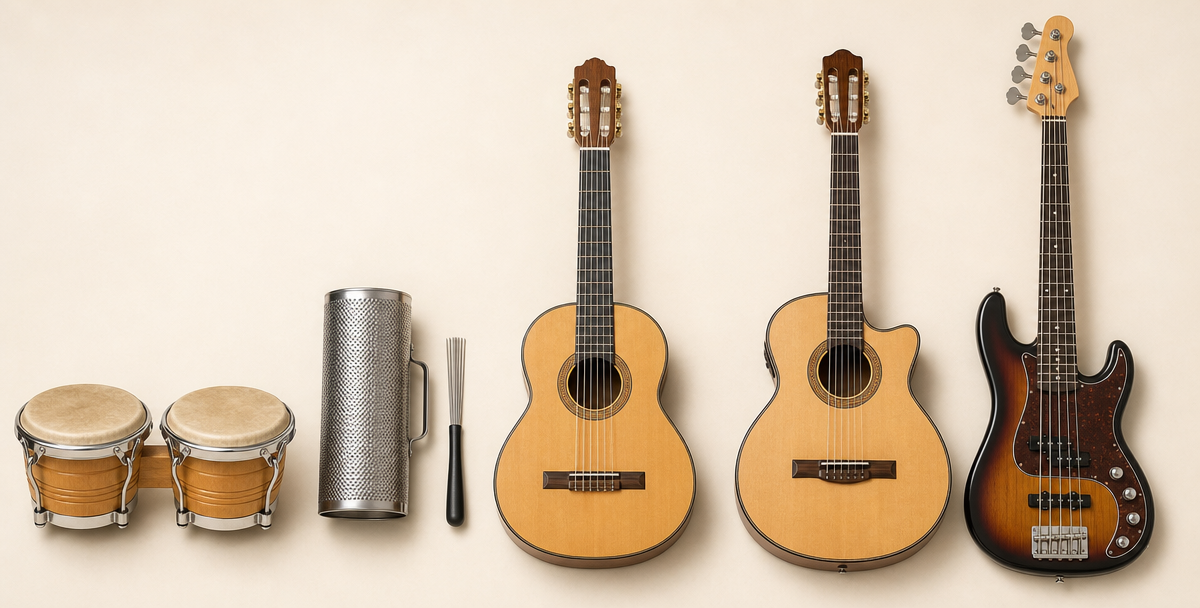
Collage of the five core bachata instruments: requinto, segunda, bongo, güira, and bass

Every traditional bachata band is built around five instruments. They are not random additions — each one is a voice with a specific job. When you learn to hear them separately, you stop counting steps and start dancing to music.

This guide focuses on the instruments used in classic and modern bachata: the requinto (lead guitar), segunda (rhythm guitar), bongo, güira, and bass. Together they form the ensemble you'll hear in dance halls, clubs, and festivals from Santo Domingo to your local social.

What instruments are used in bachata?

The standard bachata ensemble is: lead guitar, rhythm guitar, bass, bongo, and güira. Some modern productions add keyboards, percussion, or horn samples, but these five are the foundation. If you can identify them, you can teach — and dance — with much more musical awareness.
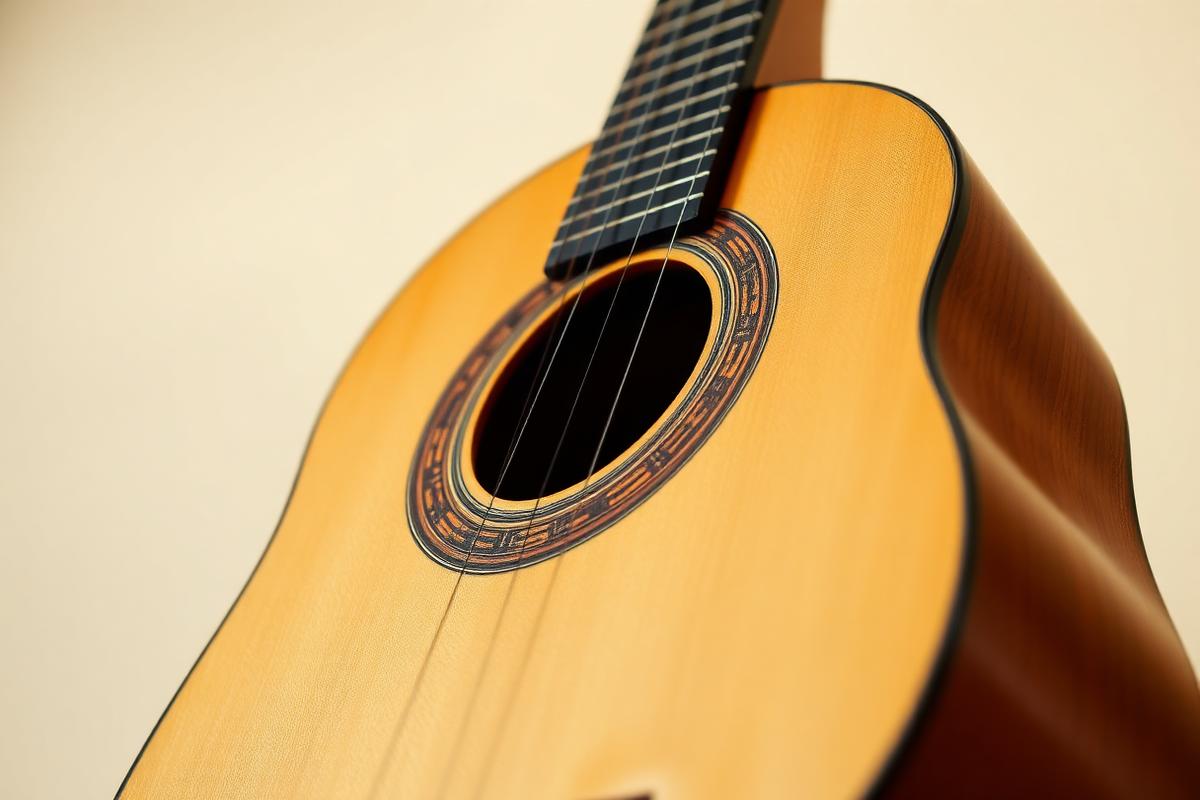
Bachata requinto lead guitar
Lead guitar

Requinto

The requinto is the voice most dancers sing back. It plays the melodic lines, the crying phrases, and the fills that make a bachata song memorable. When you hear a guitar solo soar during the mambo section, that's the requinto taking the spotlight.

For dancers

For dancers, the requinto is an invitation to accent, suspend, or play with the melody. You don't have to follow the rhythm alone — you can dance the lead guitar line.

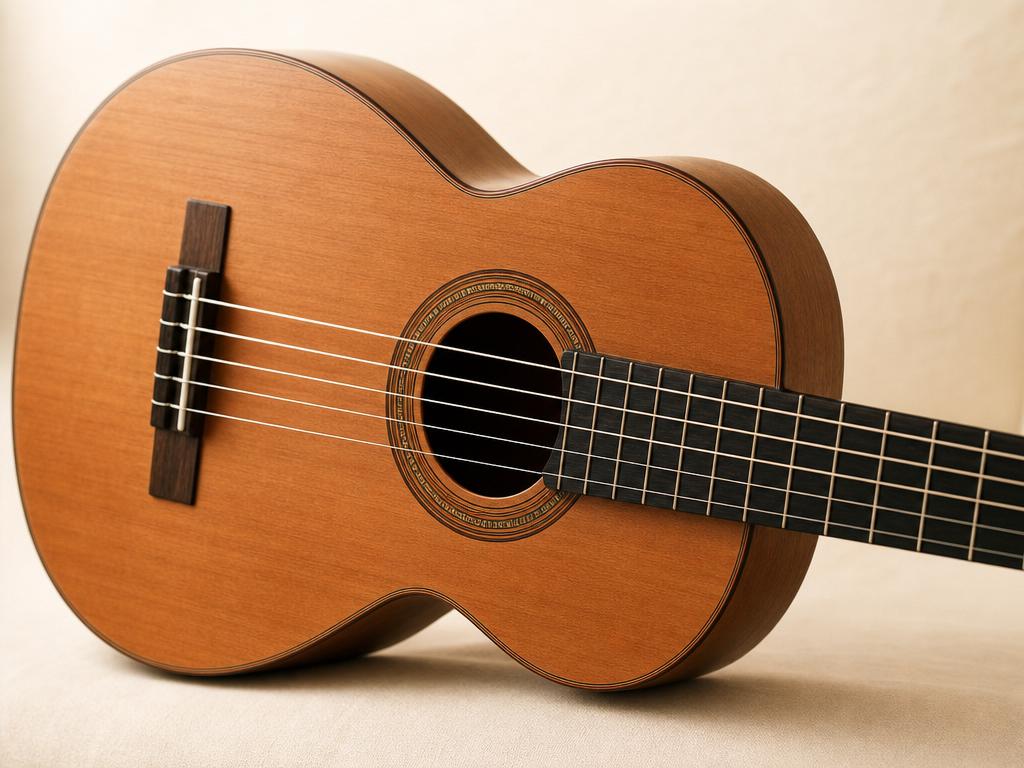
Bachata segunda rhythm guitar
Rhythm guitar

Segunda

The segunda holds the groove. It plays the in-between counts — the 'ands' — giving bachata its signature push-and-pull feel. While the requinto gets the spotlight, the segunda is the steady conversational partner that keeps the song moving.

For dancers

Listen for the segunda when you want to feel the underlying pulse. It's the hidden engine that makes bachata danceable even when the other instruments drop out.

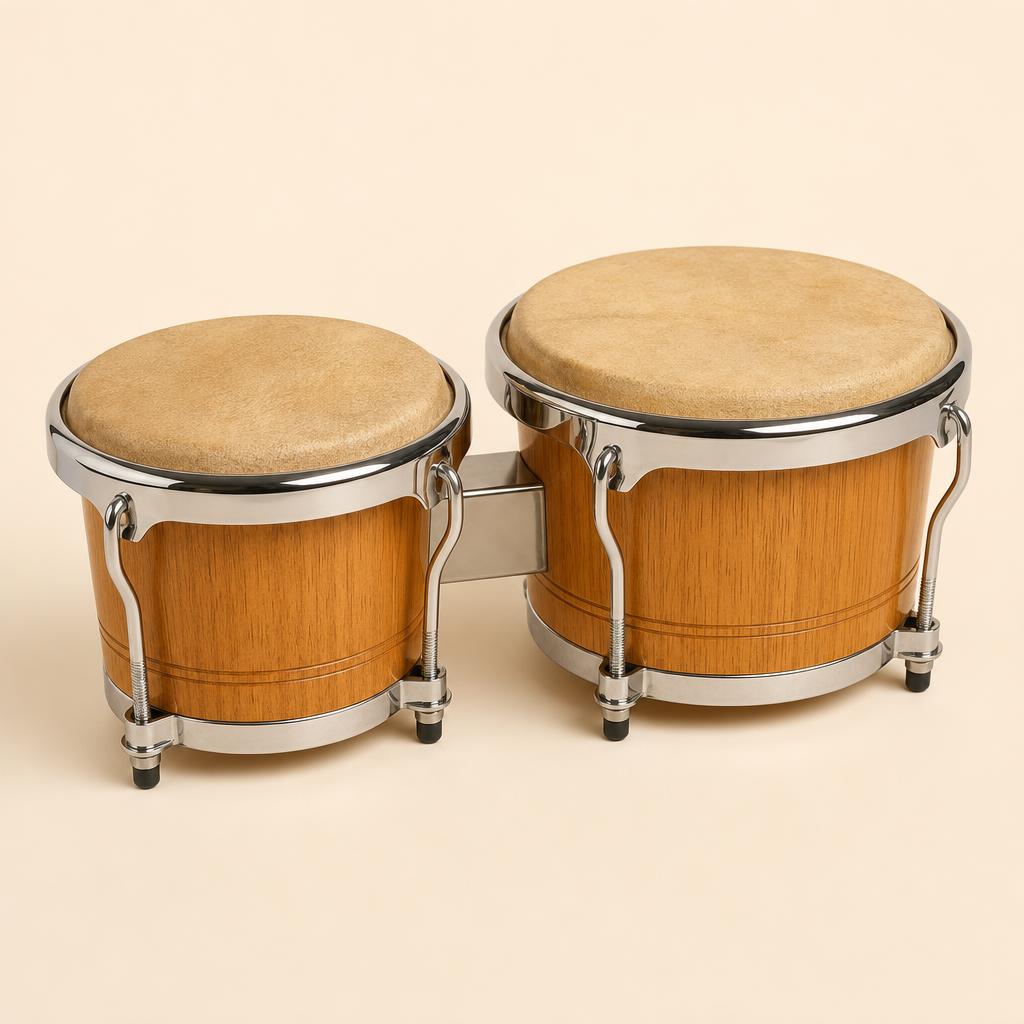
Bachata bongo drum
Hand drum

Bongo

The bongo is a pair of small hand drums that sets the pace and marks the sections of a song. A bachata bongo player moves through several patterns — derecho, majao, and mambo — signaling when the energy is about to shift.

For dancers

If you can follow the bongo, you can anticipate the song's structure. When the bongo pattern changes, the dance usually changes with it.

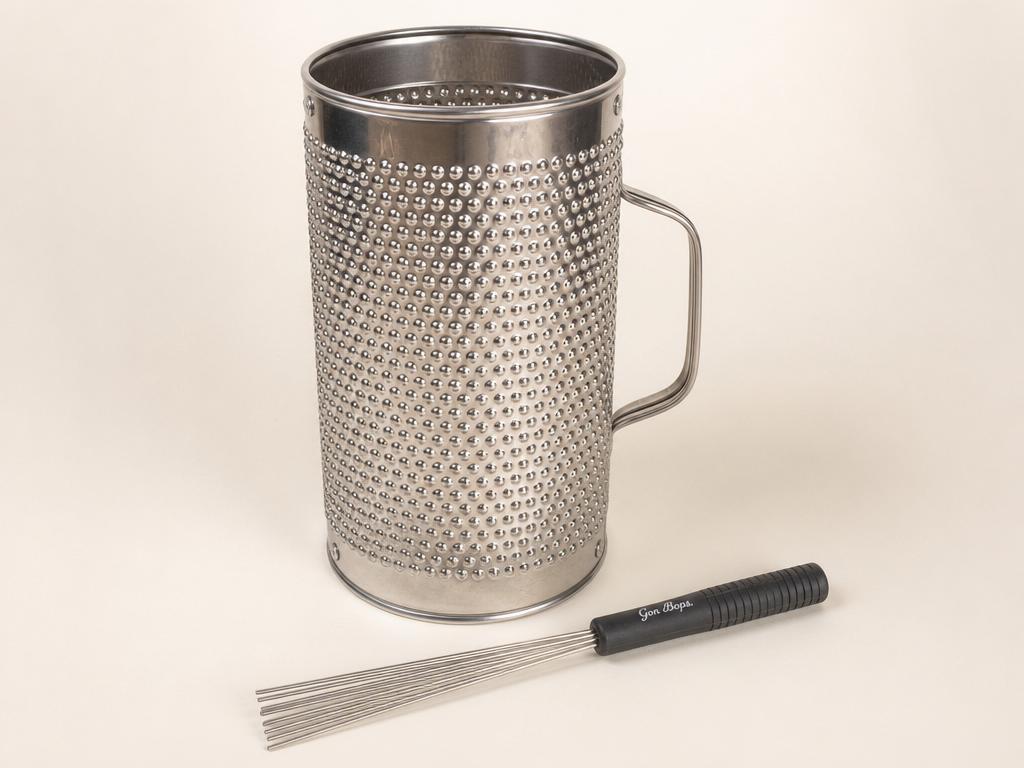
Bachata güira metal scraper
Metal scraper

Güira

The güira is a metal scraper that provides bachata's bright, continuous subdivision. It works with the bongo to shape the density, fills, and transitions of the song. Though related to scrapers found across the Caribbean, the Dominican güira has its own timbre and stroke vocabulary.

For dancers

The güira is your metronome with texture. Dancing to the güira is one of the fastest ways to develop precise musicality.

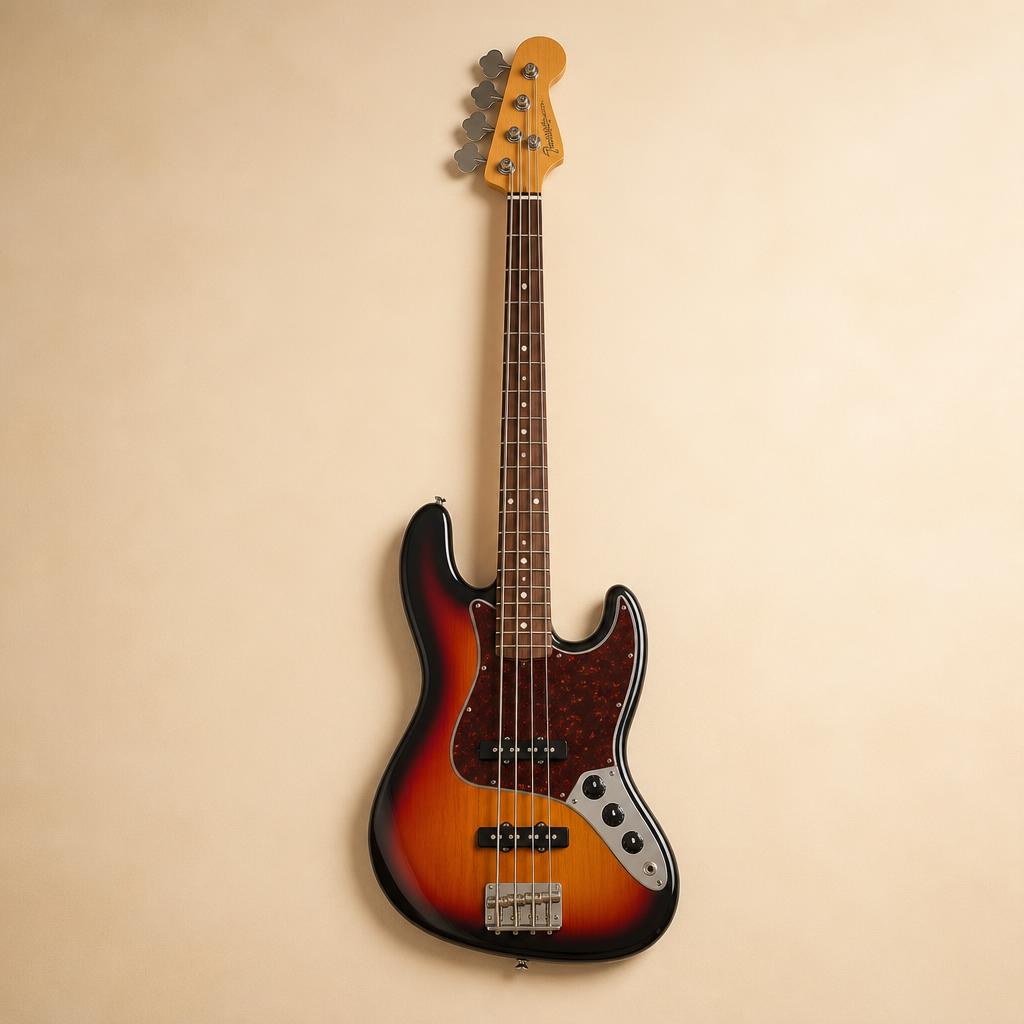
Bachata bass guitar
Bass

Bajo

The bass is the floor of the ensemble. It plays a consistent rhythmic and harmonic foundation under everything else, anchoring the song so the other instruments can move.

For dancers

When in doubt, return to the bass. It's the most reliable voice to follow for grounding your movement and staying on time.

Why this matters for your dancing.

Most bachata classes start with steps. But the dance exists because the music exists. When you know what the bongo, güira, segunda, requinto, and bass are doing, you have five different ways to interpret a single song.

That is the difference between dancing on the beat and dancing with the music. It is also the difference between teaching choreography and teaching musicality.